The Interior Design Process
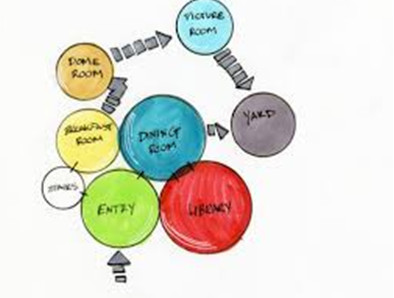
A professional designer normally works from drawings and use these as a base the internal design renderings. In this process the designer will, in the first instance, take into account the internal layout with the positioning of doors and windows and review the use of the space as a base input to the design.
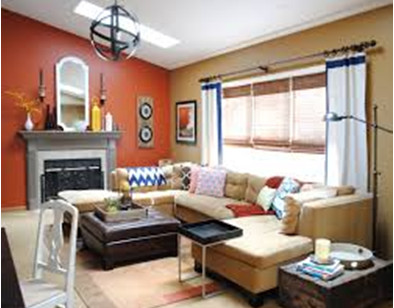
From here, the designer will then balance the effect of furniture, floor coverings curtains and wall finishes to harmonise these into a coherent and pleasing scheme. In this process colour, textures and finishes will pay a key role in the creation of an idealised ambiance for the space. It is inevitable that the designers final choices will be guided by the clients desires and budget together with the intended function of the room being designed.
The Role of Color and Lighting
It is at this stage after the colour scheme has been decided that the important considerations of lighting are made. The lighting, which would generally be a combination of natural and artificial light, will undoubtedly be a major factor in creating the right atmosphere for the room.
Cool colours, such as blue, green and grey with warm colours such as red, yellow, orange and brown, together with strong dramatic colours such as burgundy, red, brown, purple and black along with the less prominent colours of beige and pink when used wisely will create the right ambience in any room.
Specific colours, for instance white and cool light colours will create the illusion of greater space, whilst others for instance black and warm dark colours will diminish the illusion of space. By varying the tone and intensity of certain colours they can be made either to blend unobtrusively with other colours or to stand out strikingly. To highlight smaller objects in a room a contrasting colour should be used which will make them conspicuous against the background colours of the room.
Colours add to the ambiance of of room in the following ways:
- Red is powerful, passionate and stimulating and adds a dramatic shot of colour creating a sophisticated space.
- Yellow brightens up a room injecting warmth and sunshine creating positive welcoming ambiance and adds a fresher look.
- Creams soften whilst maintaining a clean and modern look flattering and enhancing architectural features.
- Brown adds depth and personality.
- Orange can stimulate warmth and a sense of well being and helps make a room more stylist and comfortable.
- Green is a calming colour adding a feeling of tranquillity, balance and space to a room.
- Lavender has a strong link to nature and will produce a calming effect.
- Blue has strong links to nature and is calming and easy to live with.
When it comes to your home’s interior design, you’re at liberty to choose anything you want- from picking affordable art to purchasing the perfect shade. However, you ought to have the following tips and tricks at your fingertips in order to get the best insights about the design process.

Core Design Principles
Space Planning: Plan for that real life
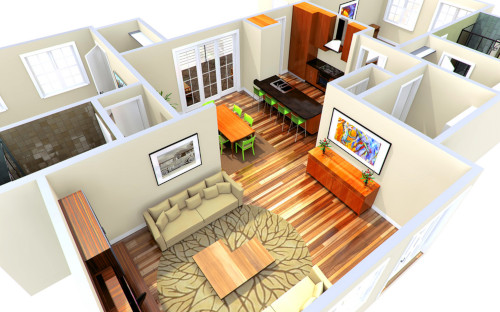
When it comes to interior design, space planning should be your first priority. This entails blocking out three-dimensional areas, formulating plans for equipment placement and furniture layout, as well as defining circulation patterns. A good interior design project starts with a comprehensive assessment of your home’s functional paucities and how various elements can be modified to better suit your needs. Planning your space well creates optimal efficiency.
Create a Vision
Once you’ve defined how your space should function, go ahead and mesh those requirements with your desired aesthetic as well as atmosphere. This way, you’ll be able to create a unique concept for your space. You ought to have a clear idea about how your home’s interior will blend with all elements and pieces.
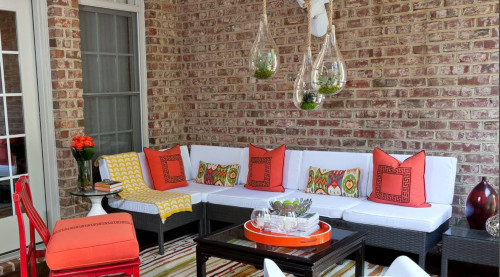
Beware of the materials and construction
Quality is extremely important because materials and construction hugely affect how people experience the finished room. Natural materials create a supreme effect. Juxtapose contrasting elements.If you want to enhance your home’s interior properties, ensure that you combine various materials, textures, shapes, as well as patterns. Juxtapose contrasting elements to create a better flow in your space. Throwing in something unique adds more definition to any living room.
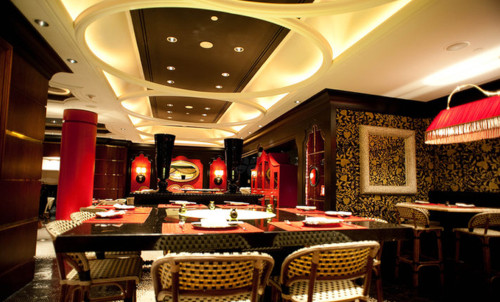
Be Authentic
When designing your home’s interior, don’t just look at aesthetics; make sure that it’s customized to match your specific needs. Look for a designer who’ll integrate your daily belongings, heirlooms, as well as antique items. Go for something authentic, original and unique. Even if the design is about simplicity and modernity, you should consider incorporating something a little quirky to make your living room more interesting.
Strike a Balance
Finding a room’s balance starts with a detailed evaluation of its architectural features; including window and doors, followed by the addition of classic pieces until evenness is achieved. A good designer knows when or when not to add decorative elements to create a dramatic effect.

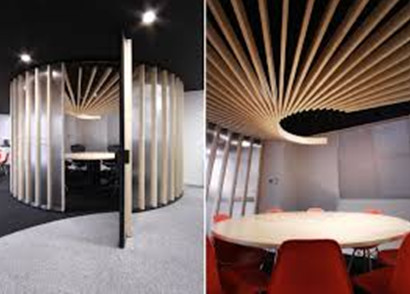
Elements of Interior Design: Light
When designing your home’s interior design, there are numerous aspects that you need to take into consideration. And the lighting is critical; make sure that your space is well-lit for functionality, mood, as well as atmosphere.
Functionality
Every space has different lighting requirements. In offices, it’s important to make sure that workers can comfortably complete their tasks; whether it’s reading printed documents or operating a computer. For retail shops, lighting should be designed to make the product shine. The two greatest contributors to lighting functionality are quantity plus quality.
Quantity
When quantity is to low, it becomes almost impossible to perform necessary tasks. And when it’s too high, it causes glare. Both situations can trigger eye discomfort which may result in health issues, both physical as well as emotional.
Types of Lighting
Designers are often concerned with three types of lighting:
- Ambient light refers to the general illumination, which is either indirect or soft. Reducing contrast plus shadows can as well be achieved through natural as well as artificial light sources.
- Accent light adds highlight, drama, as well as focus to any interior space. You could place directional light on artwork or recessed floor lighting on a textured material. Proper use of these three forms of lighting will ensure that your space is well-lit; however, you should check that the light is of high quality. When designing your home’s lighting, consider glare, uniformity, color. Plus contrast.
- Contrast defines a difference in lighting intensity between two points. It helps you differentiate one décor element from another; printed words, for instance, contrast their white-colored background making it possible for us to read them. Excess contrast can limit one’s ability to perceive fine detail and trigger eye fatigue.
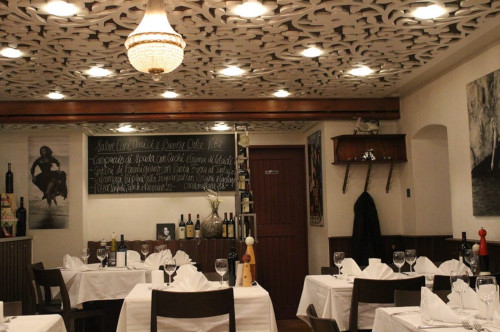
Lighting adds a dramatic effect to every interior space; it determines its mood and atmosphere. Different schemes can be utilized depending on the room’s function. Restaurants and bars are some of the best mood lighting examples. From brightly lit dinners and romantic candlelit restaurants to dim night bars, lighting intensity plus color are great tools for setting the right mood. A good designer will as well utilize those free shadows to boost the lighting design.
When used well, light is an extremely powerful tool. It can either make or break your room. The inclusion of various lighting schemes within one space can work magic. By installing a dimming control mechanism and switching to many different lighting scenarios can make your space versatile and incredibly attractive.
Sustainability
When considering your home’s lighting design, make sustainability a top priority. Daylight is absolutely free and comes without any electricity bills. Plus, it offers numerous benefits to you and your loved ones. However, daylight can’t be the only source of light, you’ll still need to light up your space with other energy-efficient options such as LEDs, high-pressure sodium, chandeliers, and fluorescent lamps. Before purchasing any light fixtures, it’s very important that you consider the light source’s functionality.
Because of their high-performance, light emitting diodes (LEDs) are now very popular in the market. Not only are they energy-efficient, but they’re also attractive, powerful, and reliable. Light is a vital element of interior design.
Every designer will agree that lighting is an essential component of interior design. Always make sure that this isn’t just done aesthetically, but also scientifically to effectively brighten up your interiors. Proper use can boost employee productivity, lower the number of sick days, improve your product sales, and draw more people towards your brand.
Interior Design Principles: Balance
When it comes to interior design, balance is extremely important. A space just feels right when everything is well-balanced. There are several principles of design you can apply to your commercial/residential project to create an exciting space that helps in reinforcing your brand as well as the corporate message.
An unbalanced interior can really feel uncomfortable. Of course, there are times when this effect is desired, but for most spaces, visual balance is the ultimate goal. And this is easily achieved by distributing various objects’ visual weight to create a feeling of equilibrium. An element’s size, shape, color, and texture determine its visual weight. For instance, larger, darker, and complexly shaped décor items often feel heavier and need proper balancing throughout the installation. Even more, balance can be achieved symmetrically, radially, or asymmetrically.
Symmetrical Balance
Symmetrical balance is typically achieved when items are mirrored along a focal point. This type of balance is common in most interior designs and portrays a feeling of calmness, stability, and dignity. You can achieve symmetry through the use of fixtures, color, pattern, millwork, as well as furniture arrangement.
Asymmetrical Balance
Asymmetrical balance, on the other hand, relates much strongly with an object’s visual weight. Instead of using one item repeatedly to achieve balance within your space. This technique utilizes different elements to achieve balance on the opposite axis. Complex shapes usually feel heavier, that’s why they’re commonly utilized for creating asymmetrical balance. Such interiors usually feel more dynamic because various object types are working to establish a balanced atmosphere.
Radial Balance
Unlike asymmetrical balance, radial balance tends to be more circular. Objects are distributed around a focal point either spreading outward or inward. Examples of radial balance include chairs placed around a table, a circular lighting fixture, or a circular rotunda design. Combine different textures, colors, as well as forms to inject more freshness into your home. The way you design your interior space tells a lot about your personality and style. So be sure to do it uniquely.
Color Rendition
The ability to perceive colors correctly is another essential component of lighting quality. The CRI (color rendering index) scale is often used for comparing a light source’s effect on the appearance of its surrounding. A higher CRI implies minimal color shift. Anything between 75 and 100 is considered excellent, whereas 65-75 is good.
Commercial, industrial, as retail facilities utilize various light sources. Every lamp type offers particular advantages; picking the right source depends on dimming capability, life-cycle cost, installation requirements, and the desired effect. Common types of lamps include incandescent, metal halide, fluorescent, mercury vapor, low/high-pressure sodium, and high-intensity discharge.