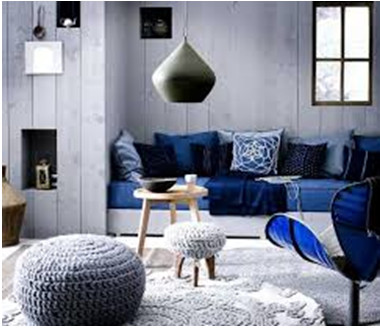
Importance of Lighting in Interior Design
Lighting can change the mood of a room or even inject more elegance to any living space. Thus, where you place your lighting and the type of fixtures you install speaks volumes about the overall design of any room.
Placement plus types of lighting should blend flawlessly with color sections, the size of the room, natural light availability, as well as furniture selection.
Combining elements and light with functionality and style creates a seamless space that makes things more stylish.
Interior Design and Color Management
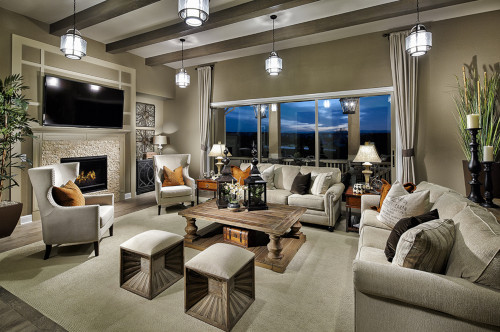
Color is a powerful aspect when it comes to interior design. For instance, dull colors tend to make a room look smaller as well as cramped while bright colors make a small room look bigger. Light reflected off a wall defines the illusion of any space. Even more, certain types of lighting can further help illuminate the walls. If you want to soften the colors of your walls, consider using a directional lighting source like track lights for instance.
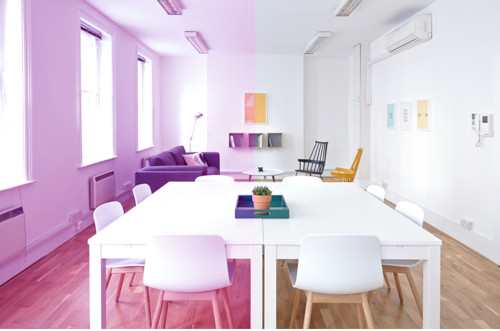
You can also illuminate the floors with a soft, downward glow of the recessed lighting. Color is an interior design necessity. When combined perfectly with the light, it can add more elegance to any living space. Remember, dark colors make a room feel cramped as well as smaller. On the other hand, light-colored colors make a room more spacious and lively. Even more, certain types of lighting like directional lighting (they have a soft, downward glow) help soften your interior colors.
Also, recessed lighting can help soften colors by illuminating your interior’s floors. Unlike just hanging lighting from the center of a space, directional and recessed lighting provide ambient illumination and wall lighting.
Interior decor is all about color; it’s what gives your home that powerful and attractive feel. The colors you choose to express your personality, style, and taste. However, the design process takes experience, time, effort, and creativity.
With the right color management and combination, you could give your space a natural boost. If you want to decorate your home’s interior like a pro, you ought to master the art of colors. This way, you’ll get to explore endless possibilities of design concepts that’ll lead to beautiful creations within any room.
It’s advisable to test your preferred color swatch under different types of light to see if the desired effects are produced.
Effects Created by Interior Design Colors
Once you identify your best color, you should proceed and pick a quality primer. This usually plays an important role in preventing color bleed-through which might interfere with the color’s final touch. With the right preparation measures, the application of colors will certainly add warmth and definition to any room, making it look cooler and classy.
Weight
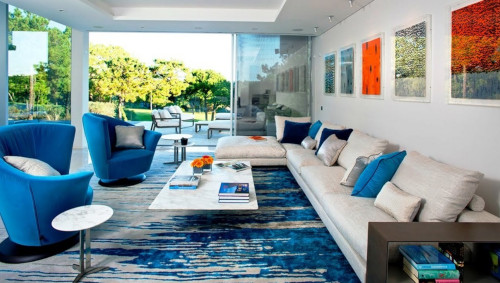
Bright hues are an attention-grabber and can be an incredible choice for areas that need to be emphasized. Strive to achieve balance with color techniques applying such as applying darker shades on the end walls and lighter tones on the main walls.
Warmth
The right colors can completely transform your home into a cozier space that’s inviting and welcoming. Intimate spaces feature warm tints that appear naturally stylish and comfortable.
Cooler & Spacious Effect
White shades are extremely effective when it comes to revamping a cramped space. Wall and furniture featuring closely matched colors add a wider effect to any room. Delicate colors, on the other hand, are perfect for creating a cooler room effect. Not only are they cozy but they also provide a fresh, relaxing atmosphere.
Balance
If you want to achieve a perfect balance, go for neutral colors. They’ll allow your space to blend finely with its surrounding. Conversely, lighter shades provide for better versatility concerning accessories as well as furniture. You could also consider mixing curtains of different colors and patterns as they can easily blend together. However, the paint you choose shouldn’t just be aesthetically appealing but also perfect for its functionality.
Directional Lighting
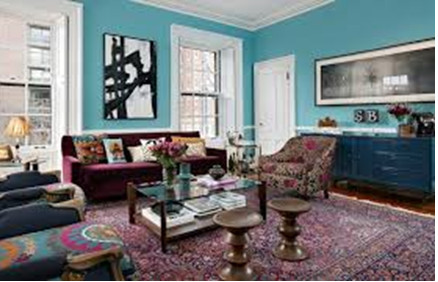
Interior lighting serves 2 purposes: illuminating the room and highlighting specific elements. And the most common type of positional lighting is track lighting. These types of lighting are usually hung from modern ceilings—with their adjustable necks as well as lamps pointed at explicit elements. Elements that hugely benefit from these types of lighting include wall paintings, entryway table vase flowers, and kitchen islands.
Here are the light fixtures that can produce ambient light for any living room:
- Chandeliers: Hang your chandeliers from the ceiling
- Pendant Lights: Pendant lights can also be hung from the ceiling to produce ambient lighting.
- Wall Sconces: When artistically placed at the sides of any room, wall sconces can add that extra touch to your living room.
- Flush: You can also hang close-to-ceiling light fixtures over-head.
- Light Kit: You can also design your living room to feature a light kit attached to the ceiling fan.
The Power of Ambient Lights
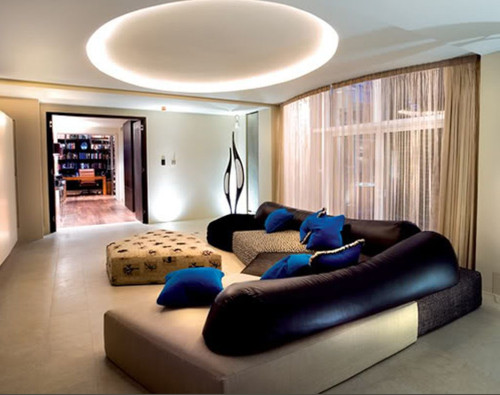
Background lighting can be useful—especially during darker days or nights. Plus, it can also be of great help when your lamps produce insufficient lights.

Living Room
Wow your guests with accent lights featuring class finish touches. Your living room is not all about functional lighting. Make your living room a place of comfort by incorporating those favorite décor collections of yours and the arts you love.
Not all lamps and overhead lights reach all parts of the room—particularly the walls. For instance, the mantel, side table, or even a fireplace requires an accent lamp to highlight these areas. Highly decorative, accent lamps are art pieces that can decorate your living room, establish its theme, and provide that extra touch.
For instance, lighting small areas with small lights like up-lights can help shine lights into walls as well as surfaces—breaking up large areas featuring monotonous color to surfaces that look hard and classic.
If you want to add that overall atmosphere, incorporate some decor, and set a positive mood, give your living room some subtler touches. Remember, beauty is in those little details.

Living Room Lighting—The Golden Tips
Is there a point of living in a beautifully designed space that is dark? No, there isn’t. No living space is complete without proper lighting. Lighting is a vital element when it comes to impacting everything else in a room. From walls to those art colors of yours—it’s important to consider the sources of lighting you need and how you are going to install them.
Therefore, it’s vital to plan early and get the best sources of light that complete your interior design. Remember, lighting is not a one-time thing. It requires meticulous planning. Most importantly, remember to design your interiors with lighting in mind.
So, the next time you think interior lighting design, here are some genius ideas that can help you get it right.

The Power of Color in Interior Design
Color is an interior design necessity. When combined perfectly with the light, it can add more elegance to any living space. Remember, dark colors make a room feel cramped as well as smaller. On the other hand, light-colored colors make a room more spacious and lively. Even more, certain types of lighting like directional lighting (they have a soft, downward glow) help soften your interior colors.
Also, recessed lighting can help soften colors by illuminating your interior’s floors. Unlike just hanging lighting from the center of a space, directional and recessed lighting provide ambient illumination and wall lighting.
Interior Design and Color Management
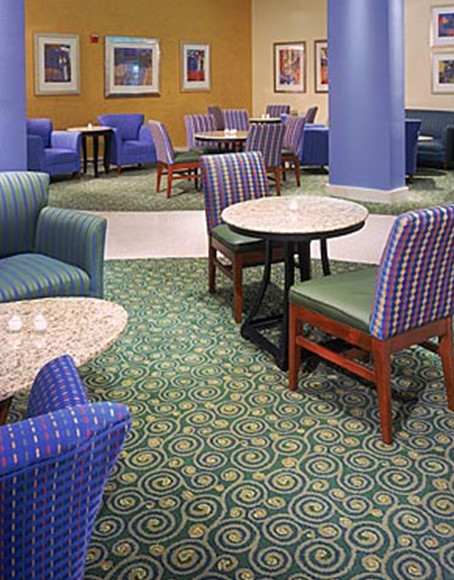
Interior decor is all about color; it’s what gives your home that powerful and attractive feel. The colors you choose to express your personality, style, and taste. However, the design process takes experience, time, effort, and creativity.
With the right color management and combination, you could give your space a natural boost. If you want to decorate your home’s interior like a pro, you ought to master the art of colors. This way, you’ll get to explore endless possibilities of design concepts that’ll lead to beautiful creations within any room.
It’s advisable to test your preferred color swatch under different types of light to see if the desired effects are produced.
Effects Created by Interior Design Colors
Once you identify your best color, you should proceed and pick a quality primer. This usually plays an important role in preventing color bleed-through which might interfere with the color’s final touch. With the right preparation measures, the application of colors will certainly add warmth and definition to any room, making it look cooler and classy.
Weight
Bright hues are an attention-grabber and can be an incredible choice for areas that need to be emphasized. Strive to achieve balance with color techniques applying such as applying darker shades on the end walls and lighter tones on the main walls.
Warmth
The right colors can completely transform your home into a cozier space that’s inviting and welcoming. Intimate spaces feature warm tints that appear naturally stylish and comfortable.